Minimal Cute Bear Embroidery Design Review
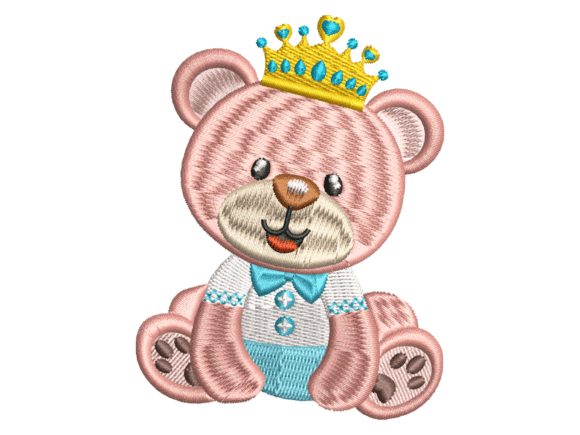
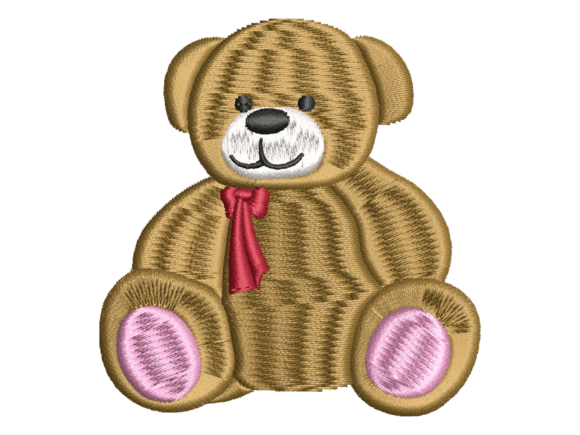
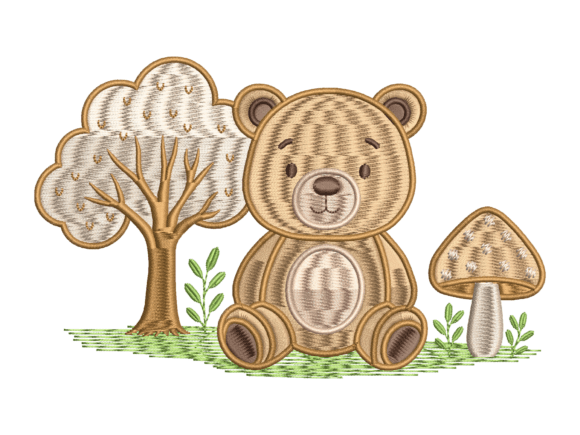
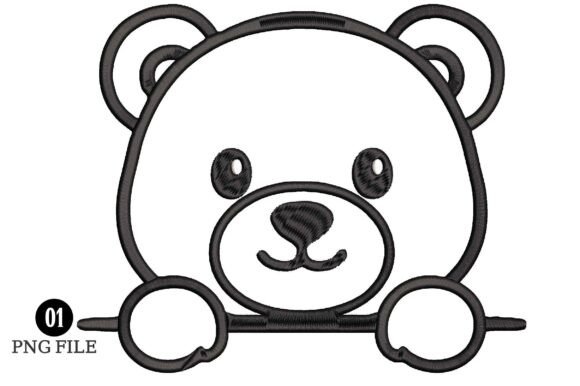
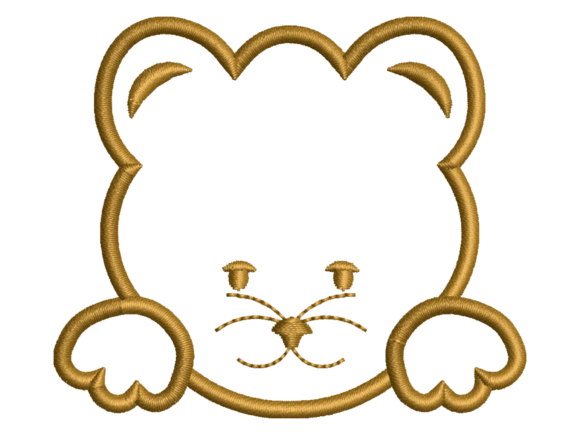
As a designer who has spent years testing digital assets for both personal craft projects and commercial production, I approach every new file with a critical eye. The market is flooded with generic patterns, so finding a machine embroidery design that balances simplicity with character is rare. When I first opened the Minimal Cute Bear Embroidery file to preview it on my screen, the immediate impression was one of clean, modern charm. It does not rely on excessive detail or complex shading. Instead, it uses confident lines and basic shapes to create a recognizable teddy bear silhouette that feels fresh and versatile.
The First Impression: Clean Lines and Modern Appeal
In the world of Embroidery, less often means more when you are working with small hoop sizes or textured fabrics. This particular design avoids the clutter that can plague many traditional Teddy Bears patterns. The layout is compact, making it an ideal candidate for a variety of applications without overwhelming the base material. The visual personality is soft yet structured, which suggests it would translate beautifully into a personalized gift or a staple item for a craft business.
When I visualize this as a tote bag design, the minimal aesthetic stands out against canvas textures. Unlike intricate floral patterns that might get lost in the weave of a heavy fabric, the bold strokes of this bear ensure visibility. For an Etsy seller looking to expand their catalog, this kind of clarity is essential. Customers browsing online need to see the design clearly in a printable mockup before they commit to purchasing a physical item. A design that reads well in a thumbnail image is a design that sells.
Real-World Application: From Baby Items to Apparel
To truly evaluate the utility of Minimal Cute Bear Embroidery, I imagined stitching it onto a few specific products. My first mental test was a baby onesie. In the realm of baby embroidery, safety and softness are paramount. This design’s lack of dense fill stitch areas means the finished product will remain flexible and comfortable against sensitive skin. It would look adorable centered on a chest or placed discreetly on a sleeve cuff.
I also considered its potential for custom apparel like sweatshirts. A large, detailed bear might distort on the stretchy fabric of a hoodie, but the streamlined nature of this embroidery file makes it forgiving. It could serve as a left-chest logo for a boutique brand or a playful accent on the back pocket of denim jeans. For sweatshirt embroidery, the key is maintaining definition, and the clean lines of this bear prevent the thread from bleeding together, even on fleece materials.
Another strong use case is creating an embroidered patch. Because the design is self-contained and has a clear outline, it would cut cleanly from stabilizer backing. These patches could be sold individually or attached to hats, backpacks, and jackets. For a small shop product line, having a consistent, high-quality motif like this helps build brand recognition. Whether it is used for holiday embroidery gifts or everyday accessories, the versatility allows a maker to pivot quickly based on seasonal demand.
Navigating Fabric Challenges and Hoop Limitations
While the design is robust, there are scenarios where caution is required. If you plan to use this on very thin fabric, such as silk or lightweight rayon, the stitch density must be monitored carefully. Even a minimal design can cause puckering if the tension is too high or if the wrong stabilizer is chosen. Always test the design on scrap fabric first to ensure the fabric does not warp under the needle pressure.
Dark fabrics present another consideration. Since the design relies on clean outlines, using a light-colored thread on a black background requires precision. If the running stitch outlining the bear is too loose, gaps may appear, ruining the illusion of a solid shape. Conversely, on a dark garment, a contrasting thread color will make the bear pop, enhancing the visual appeal of the finished product. However, avoid placing it on highly textured surfaces like terry cloth towels unless you increase the stitch count slightly to compensate for the fabric's loops.
Curved surfaces, such as baseball caps, require careful hooping. The flat nature of the bear works well on the front panel of a cap, but if you attempt to stitch it across the seam, the distortion will ruin the symmetry. For commercial embroidery projects involving hats, ensure the design is positioned strictly within the flat area of the panel.
Practical Notes for Professional Execution
Before committing to a batch of orders, I always recommend a rigorous testing phase. Download the digital embroidery file and load it into your machine software. Check the thread colors to ensure they complement your intended fabric palette. While the default colors in the file provide a good starting point, swapping them can completely change the mood of the project. A pastel palette suits nursery decor, while bold primary colors might fit better for children's custom apparel.
Review the hoop size requirements immediately. Although the design is labeled as minimal, it still occupies a specific footprint. Ensure your hoop accommodates the full width and height without needing to reposition the fabric mid-stitch, which can lead to misalignment. Inspect the small details, particularly around the ears and snout. If these areas are too fine for your machine's needle capability, consider simplifying them further or using a thicker thread weight to maintain integrity.
For those selling the final goods, confirm the licensing terms. The product description states that digital files are delivered in ZIP or RAR format with instant download, and no returns are offered. As a professional, you must verify if the license allows you to sell items made with this design. Most design assets allow for the sale of finished handmade products, but selling the digital file itself or claiming ownership of the design is typically prohibited. Understanding these boundaries protects your craft business from legal issues.
Building Trust Through Quality Stitching
Ultimately, the success of any embroidery project comes down to execution. Minimal Cute Bear Embroidery offers a strong foundation, but the quality of your work determines customer trust. A perfectly stitched bear conveys professionalism and care. It elevates a simple tote bag into a desirable accessory and transforms a plain pillow cover into a statement piece for home decor.
When customers receive a handmade product, they are paying for the artistry and the time invested. By choosing a design that stitches cleanly and looks great on various mediums, you ensure that the buyer is satisfied. This satisfaction leads to repeat business and positive reviews, which are the lifeblood of any small shop. Whether you are a hobbyist making gifts for friends or an entrepreneur scaling a brand, this design provides a reliable, cute, and commercially viable option.
In conclusion, Minimal Cute Bear Embroidery is a practical asset for designers who value efficiency and aesthetic appeal. It avoids the pitfalls of over-complication while delivering a charming result that resonates with buyers. By following best practices for stabilizer selection, fabric matching, and testing, you can maximize the potential of this machine embroidery design in your next collection.