Forest Therapy Embroidery Design Wild Review
As I set up my table for the upcoming weekend craft fair, the air is already thick with the scent of fresh coffee and the hum of anticipation. My booth needs to tell a story immediately, drawing in passersby who are looking for something more than mass-produced goods. Today, I am reviewing the Forest Therapy Embroidery Design Wild, a digital file that promises to bring a touch of nature to handmade products. As an experienced embroidery designer, my job is not just to stitch, but to judge whether this design will translate from a screen into a sellable craft fair product. Does it have the visual punch to stop a shopper in their tracks? Let's dive into the practical realities of turning this Camping themed art into inventory.
First Impressions: A Rustic Yet Modern Vibe
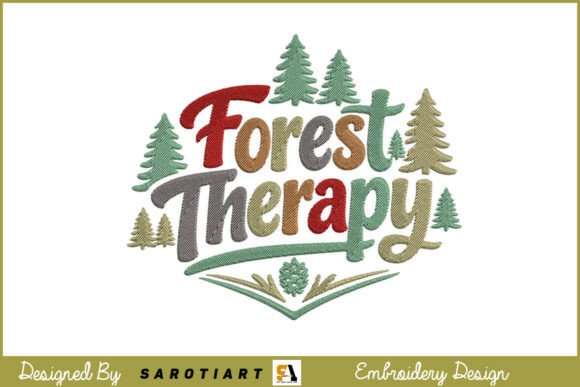
When I first load the Forest Therapy Embroidery Design Wild onto my machine interface, the aesthetic hits me immediately. It strikes a perfect balance between rustic charm and modern minimalism. The description mentions "Love Hands Line Art," which suggests a delicate, flowing quality rather than a heavy, blocky look. This is crucial for the current market. Shoppers at handmade markets are increasingly drawn to designs that feel organic and soft, yet distinct enough to stand out against the clutter of a busy booth.
This design feels less like a generic outdoor logo and more like a piece of wearable art. It has that "wild" energy implied by the title, making it suitable for the adventurous spirit of the Camping enthusiast without being overly aggressive. For an Etsy seller or boutique maker, this kind of vibe translates well into a brand identity that values nature, mindfulness, and connection. It is not just a pattern; it is a mood.
Product Versatility: Where Does It Shine?
The true test of any machine embroidery design is its versatility across different substrates. Based on the description stating it can be stitched onto kids' clothing, tote bags, t-shirts, and signs, I am planning a diverse range of samples for my display. Here is how I see the Forest Therapy Embroidery Design Wild performing on specific items:
- Tote Bags: This is likely the star application. A large-scale version of this design on a sturdy canvas tote bag creates an instant tote bag design that screams "eco-friendly." The line art style ensures it remains legible even when the bag is full and slightly wrinkled.
- Apron Embroidery: Placing this design on the bib of a linen apron adds a whimsical touch to kitchen gear. It appeals to the "farmhouse chic" demographic while maintaining a connection to the outdoors.
- Tea Towel Embroidery: Textured towels can be tricky, but the linear nature of the hands and forest elements should hold up well here. It elevates a simple towel into a giftable handmade product.
- Embroidered Patch: Creating a small patch version allows customers to add the design to denim jackets or backpacks. This is a low-cost way to offer variety and increase average order value.
- Kids' Clothing: The playful nature of the "Love Hands" motif makes it safe and appealing for children's wear, provided the thread colors are bright and cheerful.
Production Practicalities: What to Watch For
While the concept is strong, the execution requires careful attention. As I prepare to run my first batch, I must consider the technical constraints that often trip up new digital sellers.
Stitch Density and Fabric Texture: One of the biggest challenges with line art designs is ensuring the lines do not become too thin or break up on textured fabrics like terry cloth or heavy canvas. I need to check the stitch density settings carefully. If the design is too sparse, it might look unfinished on a dark background. Conversely, if it is too dense, it could pucker the fabric, ruining the drape of a tote bag or pillow cover.
Hoop Size and Scaling: The description notes it is a "perfect accent," which implies it works well at smaller sizes. However, for a focal point on a large sign or pillow, I must ensure the design scales up without losing definition. Tiny details in the "forest" elements might get lost if shrunk too much for a cap or a small pouch. I will always test the design on scrap fabric first to confirm the hoop size matches my production needs.
Thread Colors and Contrast: To make the Forest Therapy Embroidery Design Wild pop, color choice is everything. Earth tones like moss green, burnt orange, and deep brown will enhance the natural theme, but they must contrast sharply with the fabric. On a black t-shirt, a light sage green might disappear unless outlined properly. I will experiment with variegated threads to give the forest elements a dynamic, shimmering look that catches the eye under the craft fair lights.
Strategic Display and Marketing Tips
For my booth, visual appeal is currency. I plan to create a dedicated corner featuring the Forest Therapy Embroidery Design Wild on neutral backgrounds—think cream linens and natural cottons. This allows the embroidery to be the hero. I will also include a printable mockup showing the design on various finished products, helping customers visualize it on their own gear.
Photography for online listings is equally important. The line art style photographs beautifully in natural light, highlighting the texture of the stitches. I will ensure my photos show close-ups of the thread work to emphasize the handmade quality and justify a premium price point. Customers buying commercial embroidery products want to know they are getting a durable, high-quality item, not a cheap print.
Final Designer Notes and Checklist
Before committing to a full production run of this embroidery file, every serious crafter should follow these steps to ensure success:
- Test Stitching: Always run a test on the exact fabric you intend to use. Check for puckering or skipped stitches.
- Stabilizer Selection: Use a tear-away stabilizer for wovens like tote bags and a cut-away for knits like t-shirts to maintain shape and prevent distortion.
- Licensing Check: Confirm your commercial licensing rights. Ensure you are allowed to sell the finished products at a craft fair or on Etsy before listing them.
- Mockup Creation: Create at least one real physical mockup to photograph. Digital renderings rarely capture the depth and texture of real thread.
- Size Verification: Double-check the dimensions. Ensure the "Love Hands" detail is visible at the intended size for patches or caps.
In conclusion, the Forest Therapy Embroidery Design Wild offers a fantastic opportunity for creative entrepreneurs to tap into the growing love for nature-inspired decor and apparel. With its blend of line art and thematic depth, it stands out as a versatile asset for small shop products. By paying attention to fabric choices, thread contrast, and proper stabilization, this design can become a staple bestseller in your collection. Whether you are sewing a single custom order or preparing a booth for a busy Saturday market, this design has the potential to turn heads and fill carts.