Flip Flops Machine Embroidery Design Review
As a professional embroidery designer who has spent years translating digital files into tangible brand assets, I approach every new design with a critical eye. When reviewing the Flip Flops Machine Embroidery Design, my immediate focus is not just on how cute it looks on a screen, but how it performs when stitched onto merchandise for small business owners, Etsy sellers, and apparel decorators. This specific design promises to bring a fun summer vibe to projects, targeting beach lovers and vacation gear enthusiasts. But does it hold up under the scrutiny of commercial production? Let's dive into a real-world evaluation of this asset for branded patches, uniforms, and custom apparel.
First Impressions: Visual Personality and Brand Fit
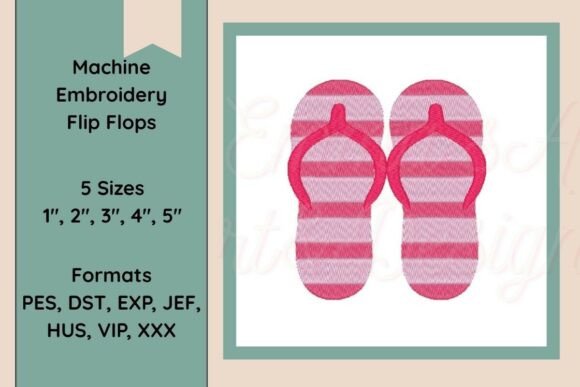
The first time you load the Flip Flops Machine Embroidery Design into your digitizing software or previewer, the aesthetic is immediately clear. It feels playful, friendly, and distinctly seasonal. Unlike formal corporate logos that demand rigid symmetry and minimalism, this design leans into a rustic, handmade charm. For a boutique café opening a beachside pop-up, a florist selling summer bouquets, or a pet brand launching swimwear for dogs, this visual personality is an asset. It signals approachability and leisure.
However, for a high-end luxury brand or a corporate uniform line, this design might feel too casual. The key to successful branding lies in alignment. If your brand identity revolves around relaxation, vacation, and coastal living, this machine embroidery design fits perfectly. It adds a layer of whimsy that can elevate a simple tote bag or a staff apron from generic to memorable. The "adorable" nature described in the product details suggests a style that works well as an accent rather than a dominant, aggressive logo.
Performance in Real Business Applications
When we move from concept to production, the Flip Flops Machine Embroidery Design reveals its versatility across various small business merch items. Here is how it performs in specific commercial scenarios:
- Embroidered Patches: This design is ideal for creating standalone embroidered patches. A patch featuring flip flops can be sewn onto denim jackets, backpacks, or canvas bags. Because the subject matter is distinct, it reads well even at moderate sizes, making it a perfect addition to a line of limited-edition summer patches.
- Staff Uniforms and Aprons: For a beach-themed restaurant or a summer event staff team, placing this design on the chest pocket or lower corner of an apron adds a cohesive touch. It humanizes the brand and makes the staff appear more welcoming. Just ensure the placement allows for comfortable movement without the stitching catching on other fabric.
- Cap Embroidery: Caps are a staple for promotional giveaways. The compact nature of flip flops makes them suitable for the front panel of a baseball cap. However, the curvature of the cap requires careful consideration of stitch direction to prevent puckering.
- Tote Bag Design: Canvas tote bags are a primary vehicle for handmade brands. The sturdy texture of canvas holds the thread well, allowing the Flip Flops Machine Embroidery Design to stand out. This is excellent for retail stores selling eco-friendly products or local artisans looking for branded packaging alternatives.
- Product Packaging Accents: Beyond apparel, consider using this digital embroidery file to embellish fabric gift bags or fabric wraps for baked goods and soaps. It turns standard packaging into a premium, tactile experience.
Critical Considerations for Production
While the design is charming, experienced designers know that not every file translates perfectly to every application. There are specific areas where the Flip Flops Machine Embroidery Design must be used with caution to maintain quality and professionalism.
Size and Detail Limitations
If you plan to use this as a tiny chest logo on a dress shirt or a small detail on a sleeve, you must check the minimum size requirements. Flip flops have straps and contours; if the design is scaled down too much, the machine may struggle to replicate the fine lines, resulting in a muddy appearance. Always test the design at the intended size before running a full batch. Avoid using it where tiny lettering accompanies the graphic, as the contrast between text and image can get lost in high stitch density areas.
Fabric Texture and Stabilization
The success of any machine embroidery design depends heavily on the fabric. On textured fabrics like terry cloth towels or heavy denim, the Flip Flops Machine Embroidery Design needs a robust stabilizer to prevent shifting. Without proper backing, the intricate curves of the flip flops could distort. Similarly, on dark uniforms, the thread colors must be carefully selected. A light-colored design on a black background requires high-contrast thread to ensure visibility and a clean look.
Durability and Washing
For items that will undergo frequent washing, such as staff aprons or reusable tote bags, inspect the stitch density. High-density areas can trap moisture and cause the fabric to pucker over time. Ensure the design file uses appropriate pull compensation and trim settings to guarantee the finished product remains durable after repeated laundering.
Impact on Brand Identity and Customer Trust
In the world of small business merch, consistency is king. Using the Flip Flops Machine Embroidery Design consistently across your product line—whether on caps, patches, or tags—builds visual recognition. When customers see this motif repeatedly, it reinforces your brand's connection to summer and leisure. This visual consistency fosters trust; it tells the customer that you pay attention to detail and care about the presentation of your handmade products.
Furthermore, embroidered items often command a higher perceived value than printed ones. An embroidered patch or a custom-stitched tote bag feels more premium and durable. By incorporating this design into your commercial embroidery projects, you elevate the perceived worth of your merchandise, potentially allowing for higher price points and increased buyer engagement.
Practical Designer Notes for Implementation
Before committing to a large production run of this digital embroidery file, follow these professional steps to ensure success:
- Test in Black and White: Run a test stitch using only black thread. This helps you identify any spacing issues or registration errors without the distraction of color.
- Verify Hoop Size: Confirm that the design fits within your available hoop sizes. If the design requires a larger hoop than you possess, you may need to adjust the layout or split the design.
- Check Thread Color Contrast: Plan your palette carefully. Ensure the thread colors chosen for the flip flops contrast well against the base fabric to maintain clarity.
- Create a Printable Mockup: Before stitching on expensive materials, create a mockup for client approval. This allows stakeholders to visualize the final look and make adjustments early.
- Inspect Spacing and Density: Zoom in on the file to review the stitch count and density. Look for areas that might be too tight, which could cause fabric distortion.
- Confirm Licensing: As a business owner, always confirm the commercial licensing terms of the embroidery file. Ensure you have the right to use the Flip Flops Machine Embroidery Design for profit-making merchandise.
By treating the Flip Flops Machine Embroidery Design as a strategic brand asset rather than just a decorative element, you can create compelling merchandise that resonates with your audience. Whether you are outfitting a summer event, stocking a boutique, or launching a new product line, this design offers a versatile way to inject personality and professionalism into your custom apparel. Remember to test thoroughly, stabilize correctly, and align the aesthetic with your brand voice for the best results.