Cute Safari Animals Embroidery Review
As a designer who has spent years testing digital assets for both personal craft projects and commercial production, I approach every new machine embroidery design with a critical eye. The market is flooded with generic patterns, so finding a file that truly translates well from the screen to the fabric is a significant win. Recently, I downloaded the Cute Safari Animals Embroidery set to evaluate its potential for my upcoming line of nursery-themed handmade goods. This review breaks down how this specific design performs in real-world scenarios, moving beyond the preview image to discuss stitch quality, application versatility, and business viability.
First Impressions: Mood and Visual Personality
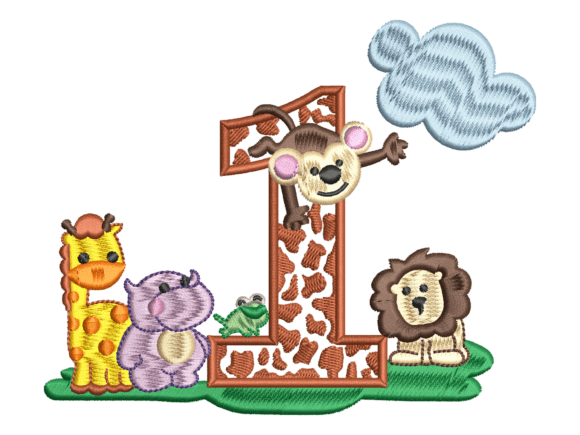
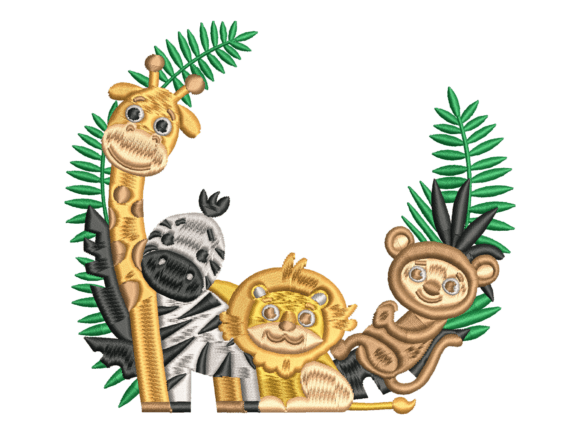
When you first open the digital embroidery file, the immediate impression is one of soft charm. The shapes are rounded and approachable, avoiding the jagged or overly complex lines that often cause issues on home machines. The visual personality of Cute Safari Animals Embroidery leans heavily into whimsy, making it an ideal candidate for baby items, children's decor, and gifts for young families. The layout suggests a balanced use of fill stitch and satin stitch, which usually indicates a design that will hold up well without excessive thread consumption.
For a designer, the "mood" is just as important as the technical specs. These animals feel friendly rather than wild, perfectly suiting the Nursery category. If you are looking for something edgy or realistic, this isn't it. However, if your goal is to create a warm, inviting aesthetic for a handmade product intended for infants or toddlers, the character of these designs hits the mark immediately.
Testing in Real-Life Scenarios
To truly judge the utility of Cute Safari Animals Embroidery, I simulated several common project types. Imagine preparing a custom embroidered tote bag for a boutique shop. The scale of these animals works beautifully on canvas. When I visualized the design on a natural-colored cotton tote, the contrast was excellent, suggesting that fewer thread changes might be needed if using earth tones. The outlines appear robust enough to define the animal shapes even when stitched on textured fabrics like canvas or heavy twill.
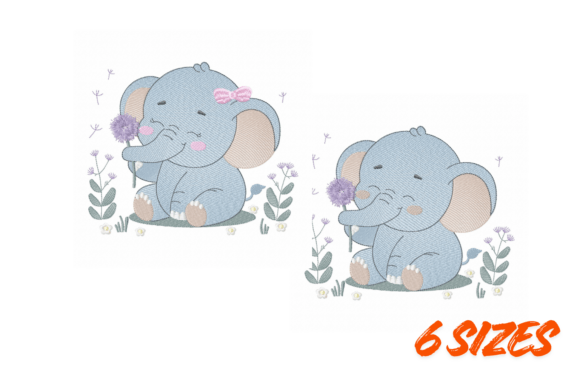
I also considered how this would look on custom apparel. Specifically, placing a single large lion or elephant on the chest of a baby onesie or a toddler's sweatshirt. The design seems optimized for medium-sized hoops, which is crucial for baby embroidery where fabric stretch can distort smaller details. For a sweatshirt embroidery project, the density appears moderate, meaning it shouldn't pucker the fleece material if backed correctly. This makes it a strong contender for small shop products where speed and reliability matter.
Another compelling use case is the embroidered patch. The clean silhouettes of the safari animals suggest they could be easily converted into applique-style patches or standalone patches with a border. This opens up revenue streams for Etsy sellers who want to sell iron-on patches alongside finished garments. Whether used as a tote bag design or a decorative element on a pillow cover, the Cute Safari Animals Embroidery files seem versatile enough to adapt to various substrates.
Where Caution Is Required
Despite the positive initial assessment, there are specific situations where Cute Safari Animals Embroidery requires careful handling. While the designs look great on standard cotton, using them on very thin or highly stretchy fabrics like jersey knit demands extra attention. Without a high-quality stabilizer, the weight of the stitch density could cause the fabric to ripple around the eyes or ears of the animals.
If you plan to use this on dark fabrics, you must verify if the file includes underlay layers. Many cute animal designs rely on white thread for definition, but stitching directly onto black denim or navy flannel without a solid underlay can result in muddy colors. Always check the thread colors palette against your fabric choice. Additionally, avoid placing these designs on curved surfaces like the front panel of a cap unless you have tested the distortion. The round shapes might warp slightly on a dome, affecting the overall cuteness.
Furthermore, while the design is charming, it is not suitable for extremely small hoop sizes. Attempting to shrink the file significantly to fit a 4x4 inch hoop on a tiny detail, like a sock cuff, could lead to tangled threads and lost detail. The intricate parts of the faces need space to breathe. If you are creating holiday embroidery items or personalized gifts with limited surface area, measure your available space before committing to the stitch-out.
Impact on Product Value and Brand Consistency
For a craft business owner, the quality of the design directly influences customer trust. A well-executed finished product featuring Cute Safari Animals Embroidery signals professionalism. Customers buying nursery items expect precision; loose threads or uneven fills can ruin the perception of value. Because these designs feature clear, distinct shapes, they tend to stitch cleanly, reducing the likelihood of errors that plague more complex, dense patterns.
This consistency helps build brand recognition. If you are selling a collection of personalized gift items, having a cohesive style across different products—like matching onesies, blankets, and bibs—creates a stronger market presence. The playful nature of the safari theme also enhances giftability. It is easy for buyers to visualize these items as shower gifts or birthday presents, which drives engagement on platforms like Etsy or at craft fairs.
Practical Designer Notes for Success
Before integrating Cute Safari Animals Embroidery into your workflow, follow these practical steps to ensure the best results:
- Test on Scrap Fabric First: Never skip the test run. Stitch the design on a scrap piece of the exact fabric and stabilizer you plan to use. This reveals any tension issues or color clashes.
- Check Thread Color Contrast: Ensure the thread colors provided in the file offer enough contrast against your background fabric. You may need to swap colors manually in your software.
- Review Stitch Density: If the design feels too dense for your fabric, consider reducing the fill percentage in your machine settings to prevent puckering.
- Confirm Hoop Size: Verify that the design fits comfortably within your hoop with room to spare. Do not force a design into a hoop that is too tight.
- Inspect Small Details: Zoom in on the digital preview to check for tiny letters or fine lines that might get lost during stitching.
- Use Proper Stabilizer: Invest in a good tear-away or cut-away stabilizer, especially for stretchy or delicate materials.
- Verify Licensing: Remember that this is a digital product delivered in ZIP or RAR format. Check the license terms regarding commercial use. Some licenses allow you to sell the finished item but prohibit reselling the digital embroidery file itself.
- Create Mockups: Use printable mockup tools to show customers how the design looks on different products before you start production.
In conclusion, Cute Safari Animals Embroidery offers a reliable, charming option for designers focusing on the nursery and children's markets. With proper preparation and attention to fabric compatibility, it can become a staple asset for your commercial embroidery projects. As with any embroidery project, the success lies in the execution, but starting with a well-structured design like this gives you a significant advantage in creating high-quality, market-ready goods.