Cute Fox Patch Embroidery Design Review
As a designer who has spent years navigating the nuances of machine embroidery, I approach every new digital asset with a mix of excitement and skepticism. The market is flooded with generic patterns that look great in a preview but fall apart under the needle. When I first opened the Cute Fox Patch Embroidery Design, I was looking for something specific: a design that balances the whimsical charm of the Kawaii aesthetic with the structural integrity required for professional production. This piece, categorized under Woodland Animals, immediately stood out not just for its cuteness, but for its potential as a versatile commercial asset.
The First Impression: Mood and Composition
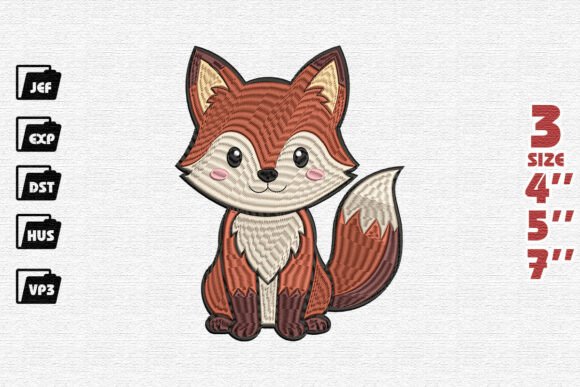
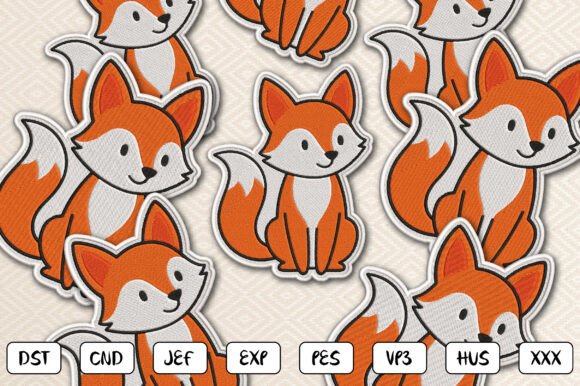
The moment you load this file into your digitizing software or viewing tool, the visual personality is undeniable. It captures that soft, approachable vibe that defines modern nursery decor and boutique apparel. The fox itself is rendered with smooth curves and minimal jagged edges, which is a crucial indicator of how it will stitch out. Unlike many low-quality files where details get lost in a sea of fill stitch, this design relies on clean lines and a distinct shape.
What immediately caught my eye was the mention of a clean satin border. In the world of patch creation, the border is everything. It acts as the frame that holds the artwork together, preventing fraying and giving the finished product a polished, high-end look. A sloppy border can ruin an otherwise excellent design, but here, the transition from the fox illustration to the edge feels intentional and robust. The layout suggests a balanced distribution of thread density, avoiding those heavy, puckering clusters that often plague dense animal designs.
A Real-World Test: From File to Finished Product
To truly evaluate the Cute Fox Patch Embroidery Design, I imagined a specific scenario: preparing a line of custom embroidered tote bags for a local craft fair. Tote bags are a staple for small business owners and Etsy sellers, but they present unique challenges due to the fabric texture and the need for durability. I visualized stitching this design onto a sturdy canvas bag using a medium hoop size.
In this context, the design shines. The simplicity of the fox allows it to scale well without losing definition. If you were to use this on a sweatshirt or a baby item, the smooth stitching would ensure the fabric doesn't bunch up, maintaining comfort against the skin. For a handmade product like a pillow cover or a kitchen towel, the contrast between the fox's features and the background fabric would pop, creating a focal point that draws the customer in. The design feels substantial enough to stand alone as a statement piece on a cap or apron, yet delicate enough to serve as a sweet accent on a holiday gift or personalized blanket.
When considering the reaction of a buyer, this design hits the sweet spot. It’s not overly complex, which means it communicates quality instantly. A customer picking up a tote bag with this embroidered patch sees a finished product that looks professionally made, increasing their trust in the brand and the perceived value of the item. Whether you are selling these as standalone patches or incorporating them into larger custom apparel projects, the visual appeal is consistent and engaging.
Navigating Fabric and Hoop Challenges
While the design is robust, experienced designers know that no file is foolproof. There are specific situations where you must exercise caution with the Cute Fox Patch Embroidery Design. First, consider the fabric texture. On highly textured materials like heavy denim or thick wool, the fine details of the fox's face might get slightly obscured by the weave. It is best suited for medium-weight cottons, linens, and stable knits.
Stretchy fabrics also require attention. If you plan to use this on a jersey t-shirt or a fitted hat, the tension of the embroidery could cause distortion if the wrong stabilizer is used. The clean satin border helps mitigate this by providing structure, but you must still test the design on scrap fabric first. Thin fabrics are another risk area; the weight of the thread density could pull the material, so a tear-away or cut-away stabilizer is non-negotiable here.
Furthermore, while the design is optimized for patches, using it on curved surfaces like caps requires careful placement. The roundness of the fox fits well, but ensure your hoop size accommodates the curve without crushing the fabric underneath. Dark fabrics can also be tricky; the light colors typically associated with a Kawaii fox might require more layers of fill stitch to achieve opacity, which increases the total stitch count and time. Always review your thread colors against your fabric swatch before committing to a full run.
Strategic Notes for Commercial Success
For creative entrepreneurs and digital product sellers, the Cute Fox Patch Embroidery Design offers significant value, provided you handle the technicalities correctly. Before launching a product line, I strongly advise testing the design in black and white mockups to see how the contrast translates without color bias. This helps you determine if the stitch density is sufficient for different backgrounds.
If you are an Etsy seller or running a small shop, consistency is key. This design fits perfectly into a cohesive brand identity focused on nature, woodland themes, or children's items. However, always confirm the licensing terms before selling finished items or reselling the digital embroidery file. Just because a design looks perfect doesn't mean you have the rights to mass-produce it commercially.
Finally, don't skip the stabilization step. Even with a well-digitized file, the difference between a professional finish and a amateur one often comes down to the backing. Use a proper stabilizer that matches your fabric weight to ensure the satin stitch remains crisp and the fill stitch lays flat. By taking these practical steps, you transform a simple digital asset into a high-quality, market-ready product that customers will love.