Black History Faux Embroidery Crochet Review
As a designer who has spent years navigating the intersection of digital art and physical thread, I approach every new asset with a critical eye. When I first opened the file for Black History Faux Embroidery Crochet, my immediate goal was to determine if it could translate from a screen into a tangible, high-quality product. This is not just about downloading a graphic; it is about understanding how the design breathes on fabric, how it holds up under the scrutiny of a customer, and whether it fits the narrative of a brand celebrating heritage and craft.
First Impressions: Mood and Visual Weight
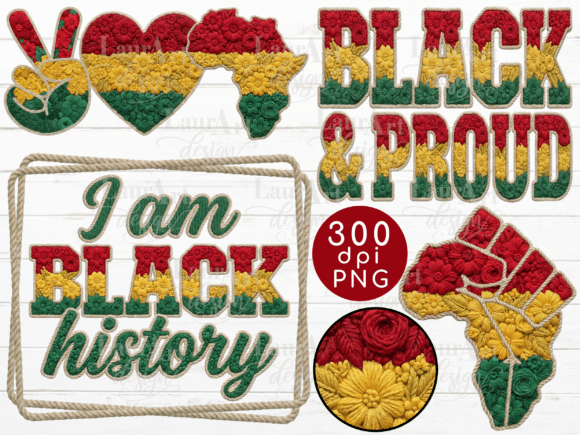
The aesthetic of Black History Faux Embroidery Crochet is striking because it plays with texture without requiring actual yarn. The "faux" element here is crucial. It mimics the chunky, tactile look of crochet work but is executed through precise stitch patterns that resemble embroidery. For a designer, this offers a unique advantage: you get the visual depth of a handmade crochet piece with the durability and precision of a machine-stitched design.
The mood is warm, celebratory, and deeply rooted in cultural pride. The layout balances bold shapes with intricate details that suggest the loops and knots of traditional crochet. In the context of T-Shirt Designs or other apparel, this creates an instant focal point. It feels less like a printed image and more like a badge of honor. The visual personality is strong enough to stand alone on a tote bag yet refined enough to complement a minimalist sweatshirt. As I reviewed the lines, I noted how the design avoids looking flat. Even as a digital file, it implies volume, which is exactly what we want when aiming for a premium handmade product feel.
Real-World Application: From File to Fabric
Let's talk about a real scenario. Imagine you are preparing a limited-run collection of custom tote bags for a local Black-owned business fair. You need something that screams quality and community. Using Black History Faux Embroidery Crochet on a heavy cotton canvas would be a natural fit. The design's density suggests it will hold its shape well against the coarse texture of the bag material. Unlike a simple print that might crack over time, this embroidery design adds structural integrity and a luxurious touch that customers can feel.
I also envision this design on a heavyweight crewneck sweatshirt. The "faux crochet" style pairs beautifully with the soft fleece of the garment, creating a contrast between the roughness of the stitched pattern and the smoothness of the fabric. For Etsy sellers or boutique owners, this versatility is gold. You aren't limited to one product type. Whether you are making custom apparel, embroidered patches for hats, or even decorative pillow covers for home decor, the design scales effectively. It works equally well as a statement piece on a large hoodie or a subtle accent on a kitchen towel.
Considerations for Specific Projects
- Sweatshirts and Hoodies: The bulk of the design complements thick fabrics. Ensure you use a tear-away stabilizer to prevent puckering.
- Tote Bags: The sturdy nature of the faux crochet look stands out on canvas, making it ideal for promotional items or everyday carry.
- Baby Items: While the theme is powerful, check the stitch density carefully. For baby clothes, ensure there are no loose threads or sharp edges that could irritate sensitive skin.
- Caps and Hats: Curved surfaces can distort complex designs. Test this on a cap mockup first to see if the "crochet" loops remain legible.
Navigating Challenges: Where Caution is Needed
Even the best designs have limitations. When working with Black History Faux Embroidery Crochet, I would exercise caution with very thin or stretchy fabrics like jersey knit. The density required to mimic crochet can cause the fabric to pucker or warp if not stabilized correctly. If you are using this on a t-shirt made of 100% cotton jersey, a cutaway stabilizer is non-negotiable.
Another area to watch is small hoop sizes. The intricate details that give this design its "crochet" charm might get lost if you try to shrink it down too much for a small patch or a tiny applique. The magic lies in the spacing of the stitches. If you compress the design, those spaces disappear, and it looks like a solid block of color rather than a textured pattern. Always review the hoop size recommendations before committing to a project.
Dark fabrics present another challenge. Since the design relies on the interplay of light and shadow to create the faux texture, using it on black fabric with dark thread will mute the effect. You will likely need to adjust your thread colors to ensure high contrast. A bright white or vibrant gold thread against a navy background would make the faux crochet elements pop, whereas similar tones would blend into the background.
Design Integrity and Commercial Viability
For small shop owners and creative entrepreneurs, the value of a design extends beyond its look; it is about trust and professionalism. Black History Faux Embroidery Crochet elevates a standard product into a collectible item. Customers today are savvy; they can tell the difference between a cheap print and a well-executed embroidery. This design signals that you care about quality and detail.
However, we must address the licensing clearly. This is a Digital Item. The terms state: "When used on physical products, please watermark the design. Digital resale is not allowed." This is a critical distinction for anyone running a craft business. You can sell the finished tote bag, the sweatshirt, or the pillow cover, but you cannot resell the digital embroidery file itself. Respecting these terms protects the original artist and ensures you maintain good standing within the maker community.
Before launching a product line, always test the design on scrap fabric. Check the stitch density to ensure it isn't too tight, which can cause breakage during washing. Verify that the running stitch and fill stitch areas are balanced. If you plan to use this for commercial embroidery, run a few test runs on different fabric weights to guarantee consistency across your inventory.
Final Thoughts for the Maker
In conclusion, Black History Faux Embroidery Crochet is a robust asset for designers who want to infuse their work with cultural significance and artisanal flair. It bridges the gap between modern machine efficiency and traditional handcrafted aesthetics. Whether you are creating a personalized gift for a loved one or building a brand around holiday embroidery collections, this design offers a unique visual language.
Remember to pair it with the right stabilizer, choose your thread colors wisely, and respect the licensing boundaries. When executed correctly, this design does more than decorate a garment; it tells a story. It turns a simple t-shirt design or a basic graphics file into a meaningful piece of wearable art. For any maker looking to add depth and character to their portfolio, this is a worthy addition to your library of design assets.